>>
30-MINUTE MEALS! Get the email series now →


A deeply flavored, slow-simmered tomato and meat sauce that tastes like Sunday at Nonna’s—rich, robust, and perfect for feeding a crowd.
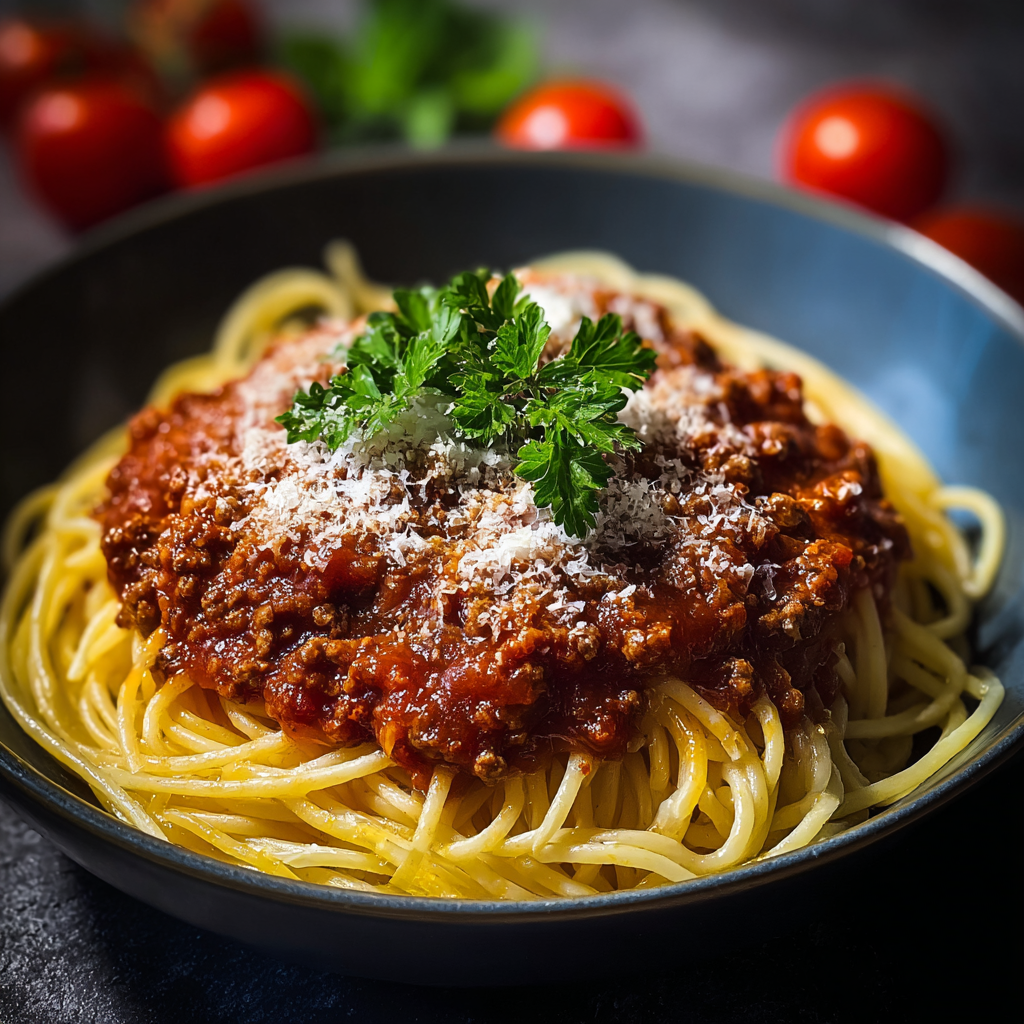
This classic Italian spaghetti sauce has been the backbone of countless family meals in my house. I first learned the rhythm of this sauce on a rainy November when I wanted something that felt like a hug on a plate. The method is simple but patient: brown the meat, sweat the aromatics, add good tomatoes, and let time do the rest. The end result is a sauce that layers savory meatiness with bright tomato tang and a hint of sweetness—perfectly balanced and utterly comforting.
I remember serving this to my friends after a long weekend of hiking; the kitchen filled with steam and the scent of garlic and basil, and everyone lingered at the table well after dessert. What makes this recipe special is the attention to small details—using whole peeled San Marzano-style tomatoes, skimming excess fat, and finishing with a touch of extra virgin olive oil for shine. The texture is substantial enough to cling to strands of spaghetti yet silky from the long simmer. It’s a sauce that benefits from patience and rewards you with depth and warmth.
My family quickly labeled this sauce “the one that brings everyone home.” I often make a double batch and freeze half—on hectic weeknights, a pot of this reheated with a splash of pasta water revives the flavors like a fresh batch. The first time my picky cousin tried it, he went back for seconds and admitted it tasted like the sauce his grandmother made.
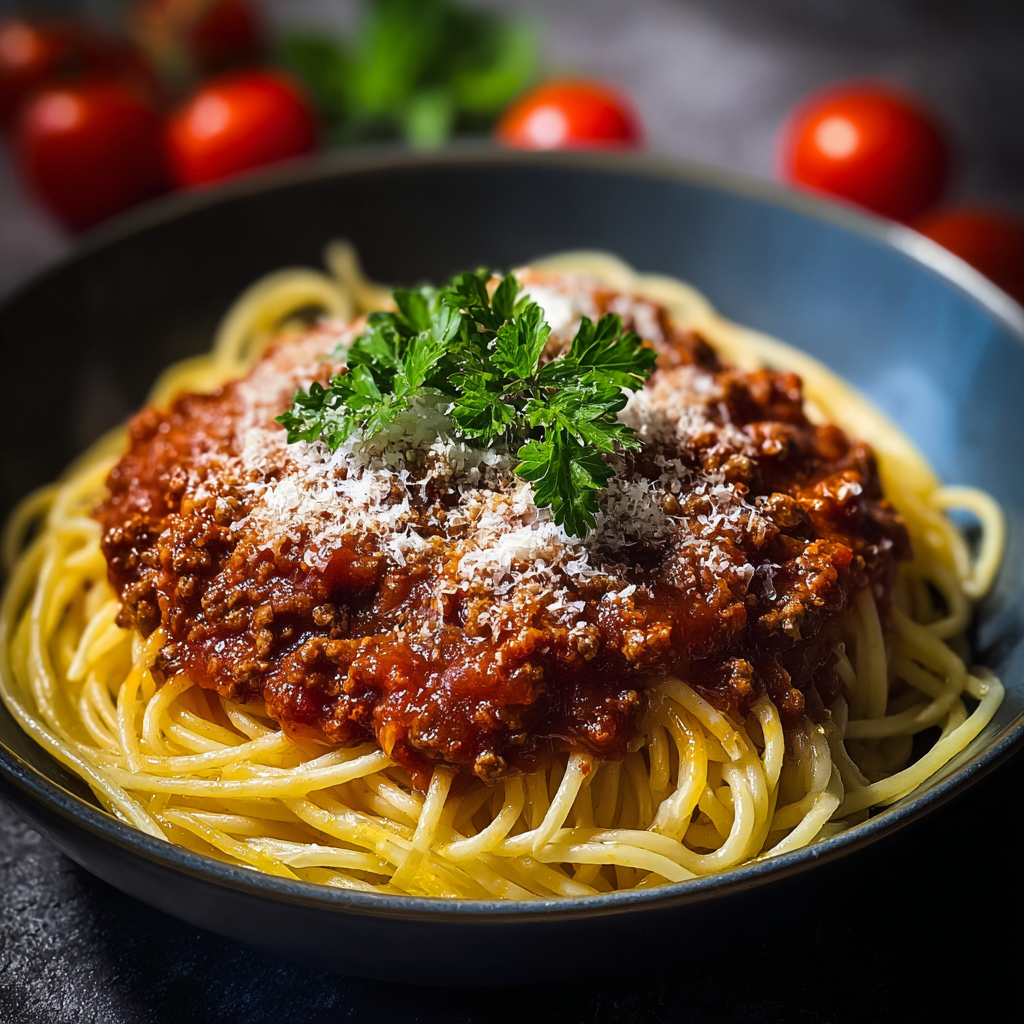
My favorite part is the second-day transformation: flavors meld and become deeper, so leftovers are often better. One winter, I made a pot for a weeknight and the neighbor popped by for dinner; we ended up sharing stories over pasta and the pot lasted three nights—proving once again that a good sauce brings people together.
To store, let the sauce cool to near room temperature (no more than two hours at room temp for food safety). Transfer to airtight containers or resealable bags in single-use portions—this makes reheating quick. In the refrigerator, use within 4 days. For the freezer, leave a little headspace in the container because liquids expand when frozen; label with the date and use within 3 months for best flavor. To reheat, thaw overnight in the fridge or microwave on defrost, then warm on the stovetop over low heat, stirring occasionally and adding a splash of water or reserved pasta cooking liquid if it seems too thick.
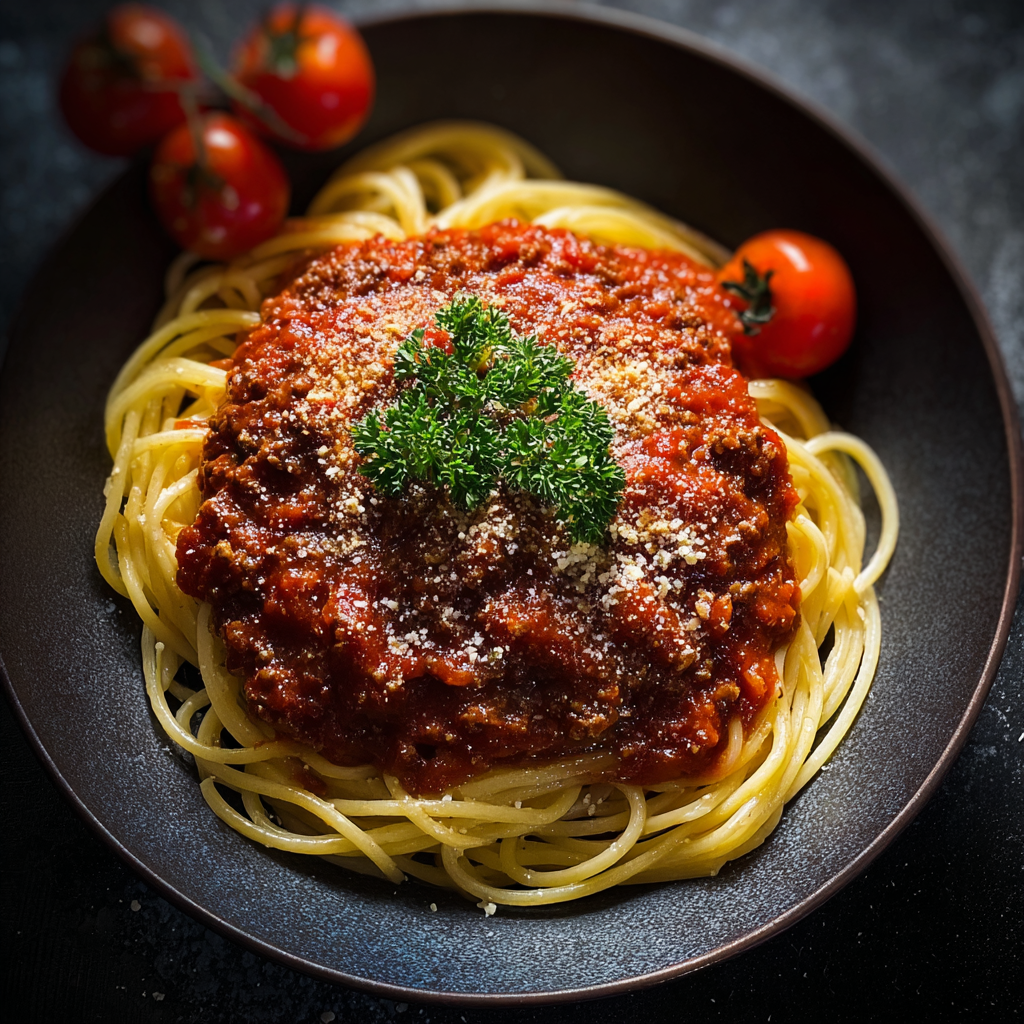
Short on time? Use ground turkey instead of beef and sausage to lighten the dish—expect a milder flavor and add a pinch more salt. For vegetarian eyes, omit the meat entirely and add a handful of chopped mushrooms or lentils for texture and umami; you may want to add a splash of soy sauce or miso paste (about 1 teaspoon) to replace meatiness. If San Marzano-style tomatoes are unavailable, use high-quality crushed tomatoes and add 1 teaspoon of sugar to balance acidity. Want a smoky note? Stir in 1 teaspoon smoked paprika near the end.
Serve with al dente spaghetti tossed with a few tablespoons of sauce and a splash of pasta water to help the sauce adhere. Garnish with torn fresh basil and grated Parmesan or Pecorino Romano. For a heartier meal, offer a crisp green salad and a loaf of crusty bread to mop up the sauce. On busy nights, spoon the sauce over polenta or use it as a base for baked pasta dishes—layer with ricotta and mozzarella and bake until bubbly for a crowd-pleasing bake.
Tomato-based meat sauces have deep roots in Italian-American kitchens, evolving from regional Italian ragù traditions where slow-simmering meat with tomatoes and aromatics creates concentrated flavor. While Italian ragùs vary—some use milk or wine, others broader cuts of meat—this version reflects a family-style approach popularized in North America: accessible ingredients, steady simmering, and a focus on tenderness and body. It’s a bridge between rustic Italian technique and the practical pace of modern home cooking.
In summer, add fresh chopped tomatoes alongside canned for brightness and fold in a handful of chopped fresh basil at the end. In cooler months, deepen the flavor with a splash (about 1/4 cup) of dry red wine added after browning the meat and reduced for 3 minutes before adding tomatoes. For holiday gatherings, double the batch, simmer longer, and finish with 1 tablespoon of aged balsamic vinegar for complexity.
Make a double batch and freeze half in flat freezer bags for quick thawing. Portion into 2-cup servings to top pasta, use in casseroles, or spoon over roasted vegetables. When reheating, add a tablespoon of water or broth per cup of sauce to refresh texture. Keep a small container of grated cheese and torn fresh basil in the fridge to upgrade reheated portions instantly.
At its heart, this sauce is about patience and the pleasure of feeding people you love. Try it once, then make it again with the small tweaks you prefer—this is the kind of family staple that becomes yours as soon as you taste it. Buon appetito.
Brown the meat thoroughly and skim excess fat for a cleaner, balanced sauce.
Hand-crush canned whole tomatoes for better texture than fully pureed tomatoes.
Simmer low and slow: at least 1 hour, preferably 1.5 to 2 hours, to develop depth.
Reserve pasta cooking water to loosen the sauce and help it cling to noodles.
This nourishing classic italian spaghetti sauce recipe is sure to be a staple in your kitchen. Enjoy every moist, high protein slice — it is perfect for breakfast or as a wholesome snack any time.
This Classic Italian Spaghetti Sauce recipe makes perfectly juicy, tender, and flavorful steak every time! Serve with potatoes and a side salad for an unforgettable dinner in under 30 minutes.
Heat 2 tablespoons olive oil in a large pot over medium heat. Add the diced onion with a pinch of salt and cook 6–8 minutes until translucent. Add minced garlic and cook 30–45 seconds until fragrant. Avoid browning to keep a sweet base.
Add ground beef and sausage to the pot. Break apart and brown thoroughly for 8–10 minutes until no pink remains. Season with salt and pepper and spoon off excess fat if more than 2 tablespoons remain.
Stir in 2 tablespoons tomato paste and cook 1–2 minutes. Add crushed canned tomatoes and 1 cup water or broth, then stir in dried oregano, dried basil, bay leaves, and 1 teaspoon sugar. Bring to a gentle simmer.
Reduce to low heat and simmer uncovered for 1 to 2 hours, stirring occasionally. Add water if it reduces too quickly. Taste and adjust salt, pepper, and sweetness as it concentrates.
Remove bay leaves, stir in a tablespoon of olive oil and torn fresh basil. For silkiness, stir in 2 tablespoons butter off the heat. Serve over cooked spaghetti with grated Parmesan, using reserved pasta water to loosen if needed.
Last Step: Please leave a rating and comment letting us know how you liked this recipe! This helps our business to thrive and continue providing free, high-quality recipes for you.
Leave a comment & rating below or tag
@magicmealideas on social media!

Thinly sliced, butter-brushed russet potatoes baked until the edges crisp and the insides stay tender — a simple side that feels special.

A bright Mediterranean-inspired skillet of blistered tomatoes, roasted feta, tender spinach and baked eggs — perfect for breakfast, brunch or a light dinner.
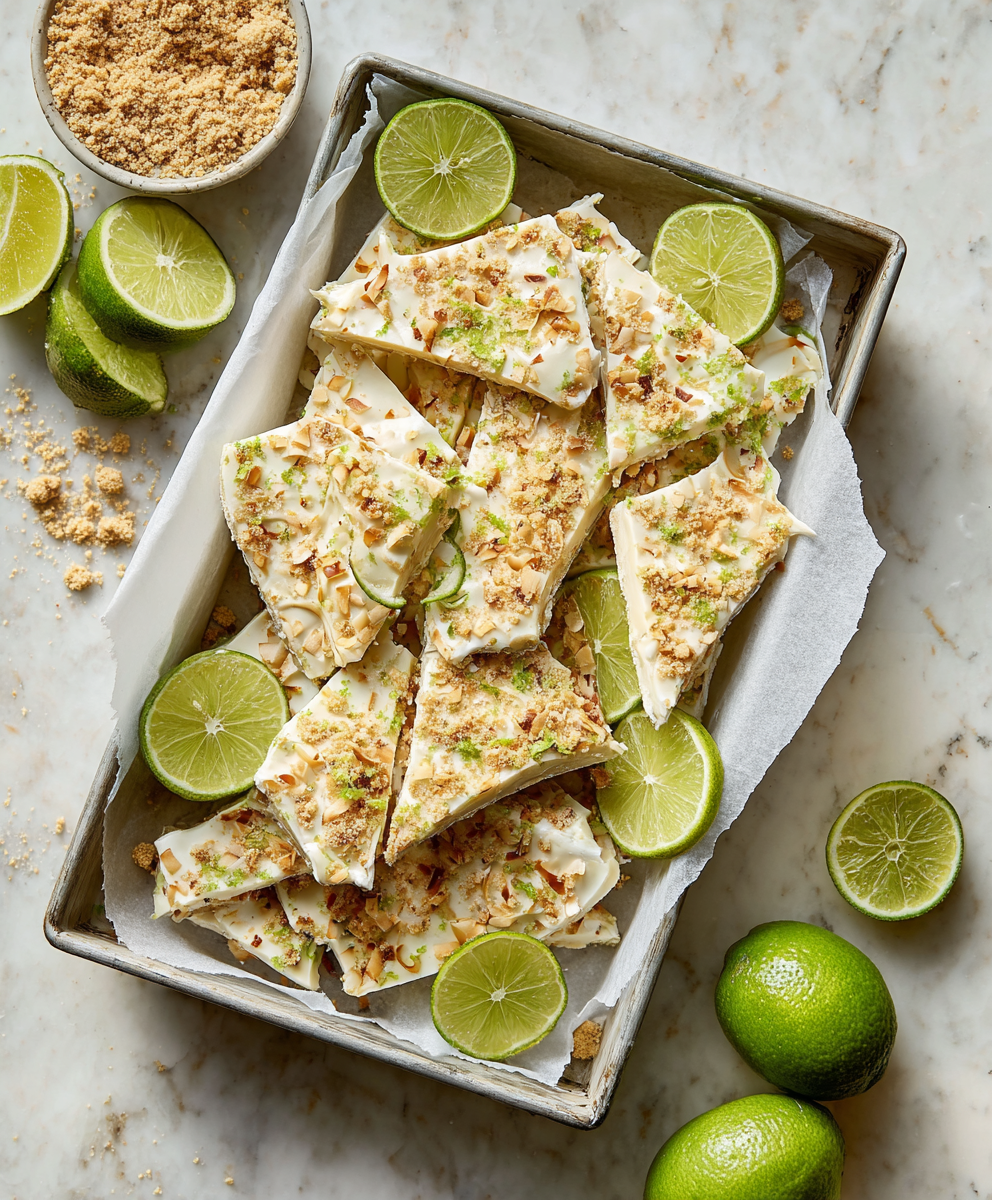
A bright, creamy frozen treat that tastes like key lime pie — made with Greek yogurt, zesty lime, crunchy gluten-free graham crumbs and toasted coconut for a refreshing, protein-packed snack.
Leave a comment & rating below or tag @magicmealideas on social media!
Enjoyed this recipe? Share it with friends and family, and don't forget to leave a review!
This recipe looks amazing! Can't wait to try it.
Comments are stored locally in your browser. Server comments are displayed alongside your local comments.

Join to receive our email series which contains a round-up of some of our quick and easy family favorite recipes.