>>
30-MINUTE MEALS! Get the email series now →


Buttery, tender French butter cookies with a crisp edge and melt-in-your-mouth center. Simple technique and pantry staples make these a timeless treat.
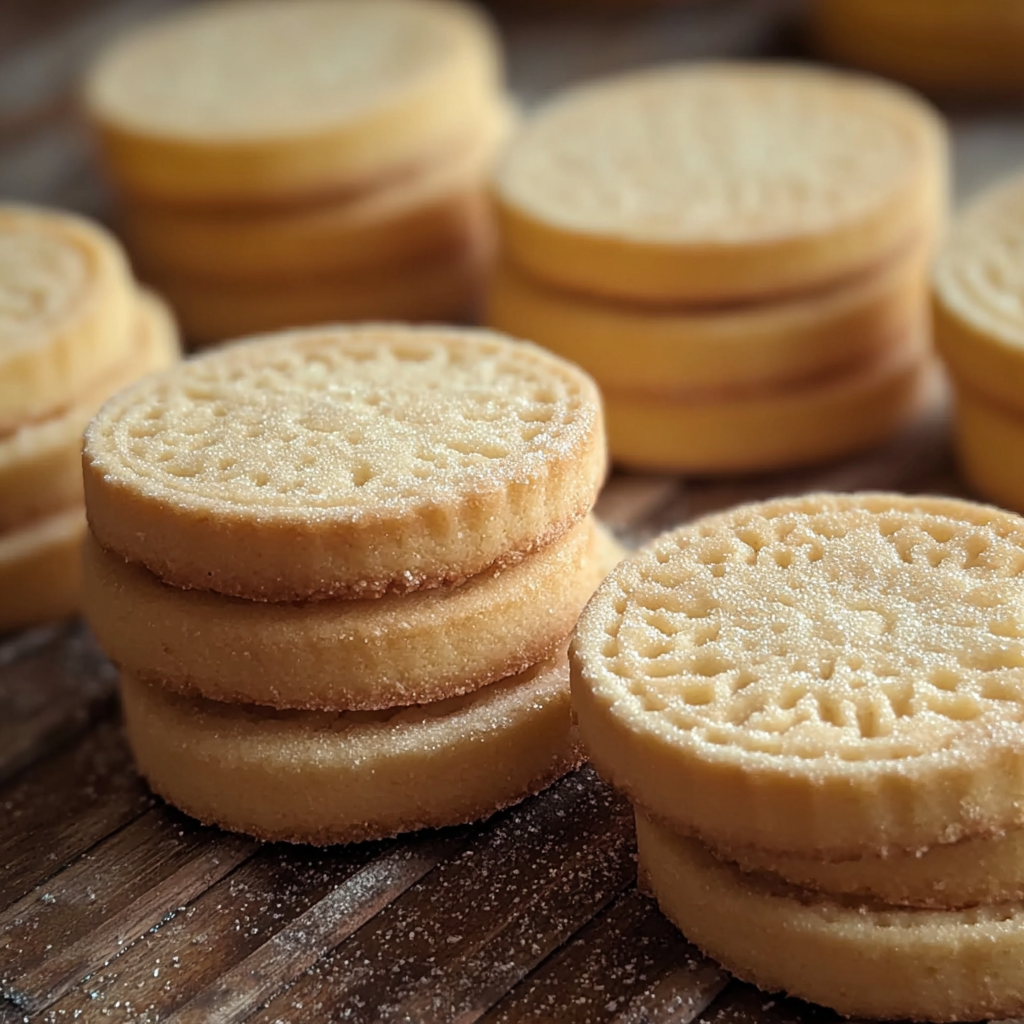
This recipe for French butter cookies has been a small household ritual for me ever since I first learned to shape the dough on a rainy afternoon. I discovered this version while flipping through a dogeared French baking book borrowed from a friend. The simplicity of just butter, sugar, egg yolk, and flour intrigued me. One test batch later, the cookies vanished so quickly that my partner joked they must have been eaten by pastry-loving fairies. The texture is the real star here: a delicate crumb that still gives a satisfying crunch at the edges and dissolves gently on the tongue.
I make these when I want something elegant but unpretentious to serve with coffee or tea. They are the kind of small gift that travels well on a paper plate, wrapped in parchment. The aroma as they bake is warm and nostalgic, with a gentle vanilla and butter perfume that fills the kitchen and invites people to linger. Over the years I have refined a few small techniques to make the dough forgiving and the slices uniformly shaped. These cookies are perfect for weekday baking, holiday tins, or when you need a buttery comfort snack in under an hour of active time.
My family has an instant soft spot for these. At holiday gatherings they vanish first from the cookie tray. I learned to slice the log with a chilled blade after a failed attempt at rolling, which gave much more even rounds. That small discovery changed everything and is now my go-to method whenever I want consistent cookies without fuss.
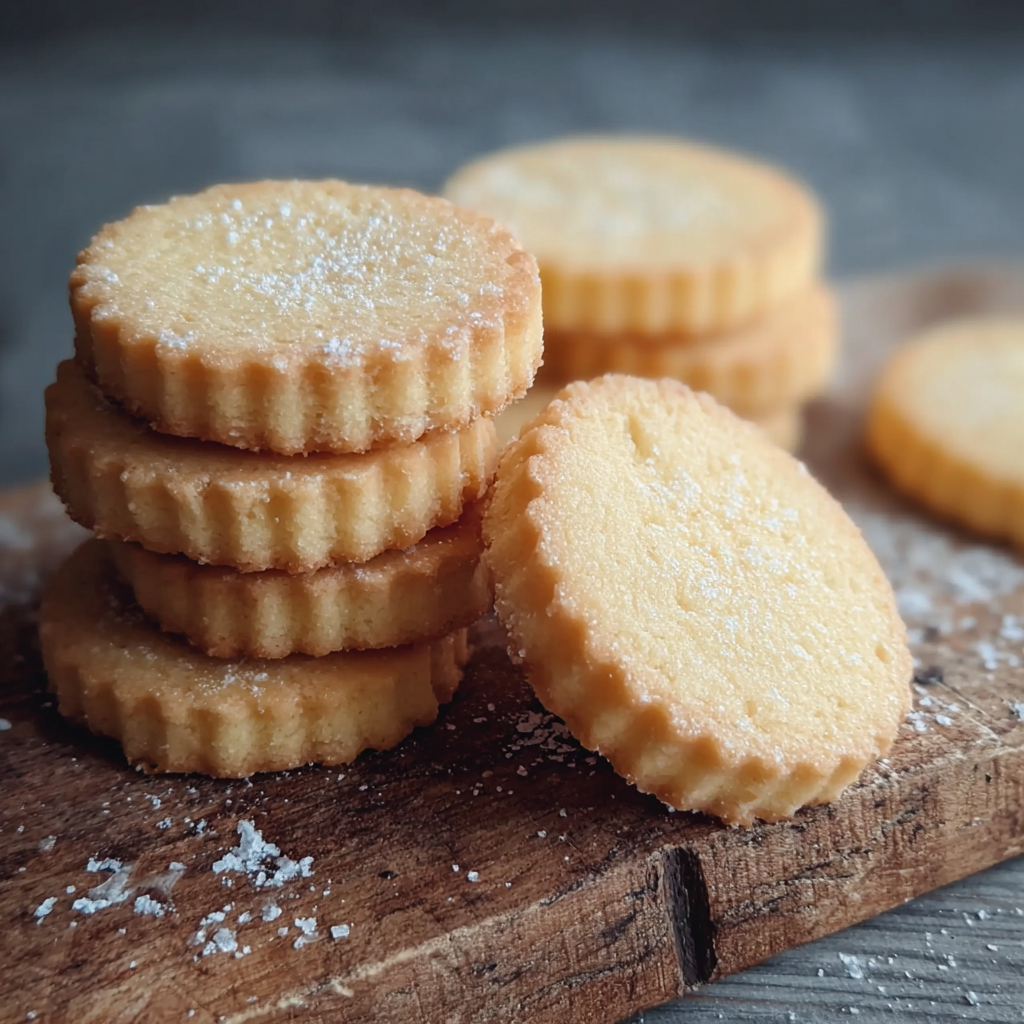
I love how forgiving this method is. Once I learned to keep the knife chilled between batches the rounds were consistently neat, which made packing them into tins feel professional. Family and friends always comment on how simple the ingredients are yet how sophisticated the result tastes. These cookies are one of those small pleasures that remind me how technique elevates pantry staples into something special.
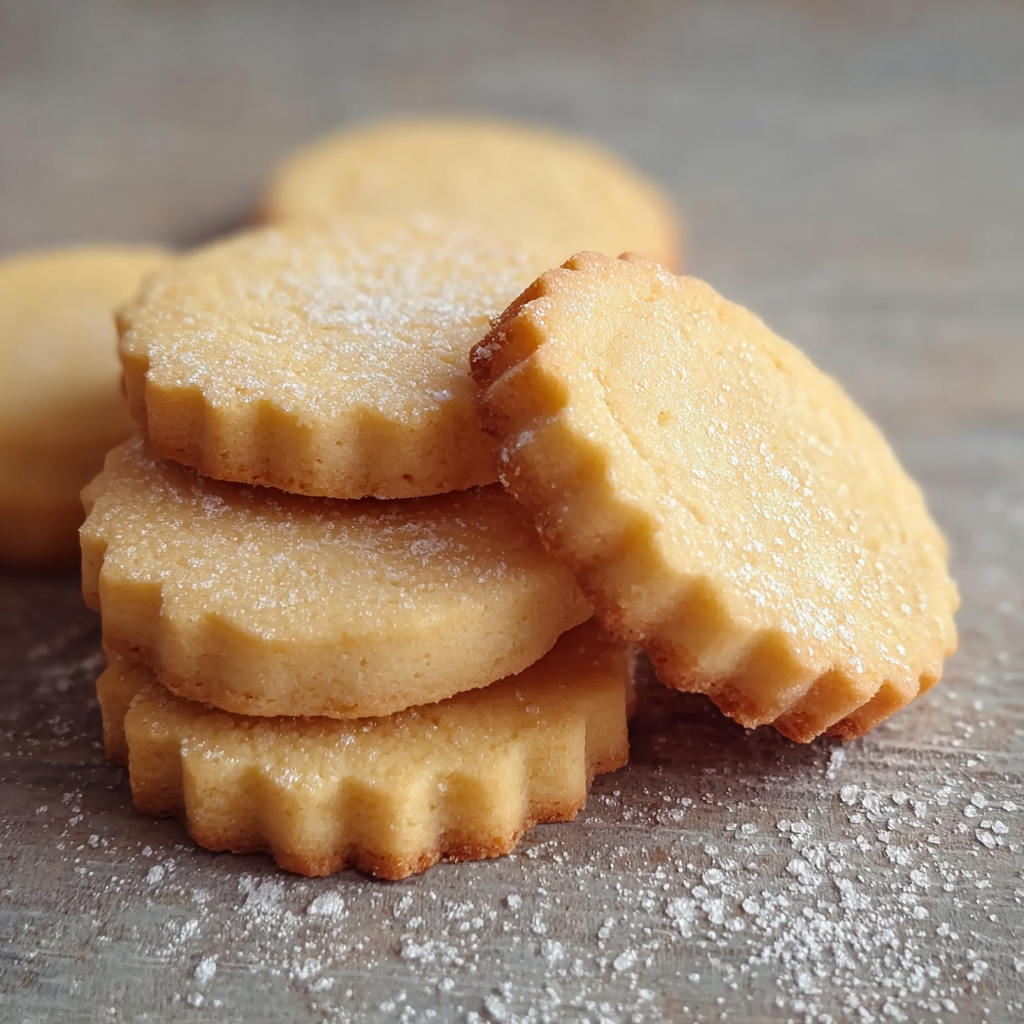
Store cooled cookies in an airtight container layered with parchment to prevent sticking. At room temperature they remain delightful for up to five days. For longer storage, freeze baked cookies in a single layer on a tray until solid, then transfer to a freezer-safe bag for up to three months. To revive a slightly stale cookie, warm in a 300°F oven for 3 to 4 minutes or microwave for 8 to 10 seconds on a low setting for a freshly softened bite. If freezing dough, slice and place rounds on a tray in the freezer, then bag; you can bake straight from frozen, adding a minute or two to the bake time.
For a nuttier flavor, substitute up to one third of the all-purpose flour with almond flour but reduce the amount slightly as almond flour is more absorbent. Use light brown sugar in place of granulated for a chewier texture and caramel notes, though color will be darker. For an egg-free version, replace the yolk with 2 tablespoons of heavy cream; the texture will be slightly different but still tender. To make gluten free cookies, use a 1-to-1 gluten free flour blend, add a teaspoon of xanthan gum if your blend lacks it, and handle gently to avoid crumbliness.
Serve these with a strong black tea, espresso, or a rich hot chocolate. For an elegant dessert plate, pair three cookies with a small pot of fruit preserves and a few raspberries. They make excellent accompaniments to cheese boards: a few plain rounds balance salty cheeses beautifully. For celebrations, dip half of each cooled cookie in melted dark chocolate and chill until set for a refined finish. Garnish with a tiny sprinkle of flaky sea salt or finely grated lemon zest for a bright note.
These cookies are inspired by French sablés, a family of sandy textured butter cookies named for their crumbly texture. Originating in Normandy where butter is celebrated, sablés emphasize high quality butter and a simple technique that highlights technique over complexity. They appear across French pâtisseries in various shapes and sizes, often flavored with lemon, almond, or vanilla. The tradition values balance and restraint, where a few premium ingredients are treated with great care.
Adapt this recipe for seasons by adding complementary flavors. In spring, fold in finely grated lemon zest for brightness. In autumn, stir in a teaspoon of ground cinnamon and a pinch of nutmeg for warmth. For winter holidays, add orange zest and a tablespoon of finely chopped candied peel, or press a nut into the center before baking. In summer, pair with fresh berries or a light lavender sugar sprinkle to emphasize floral notes.
Readers have told me these are the cookies they return to when teaching kids to bake because the technique is straightforward and the dough is forgiving. One friend wrote that making a double batch became a family ritual on Sunday afternoons, with each person choosing a different topping. I remember gifting a tin to a neighbor after she had a new baby; she called them a small luxury after sleepless nights and said they felt like a hug. Those messages remind me why simple baking matters.
For meal prep, make the dough and slice into rounds, then flash freeze on a tray and move into a labeled bag. This way you have bake-from-frozen cookies on demand. Alternatively, bake a large batch and portion into small containers for grab-and-go snacks. Keep a few in the freezer for unexpected guests; they thaw quickly at room temperature. Label containers with the bake date and use within three months for best flavor.
These cookies are a reminder that careful technique and quality ingredients transform humble pantry staples into something memorable. I hope they become a small tradition in your kitchen, bringing warm aromas and smiling faces to your table.
Chill the dough at least 1 hour for clean slices and minimal spreading.
Use a sharp, chilled knife and wipe it between slices for even rounds.
Do not overmix after adding flour; stop when combined to keep cookies tender.
Bake on parchment and rotate the pan halfway through baking for even color.
This nourishing classic french butter cookies (sablés) recipe is sure to be a staple in your kitchen. Enjoy every moist, high protein slice — it is perfect for breakfast or as a wholesome snack any time.
Yes. Chill the dough for at least 1 hour to make slicing easier and to reduce spreading during baking.
Freeze dough slices on a tray until solid, then store in a bag. Bake from frozen and add 1 to 2 minutes to the bake time.
This Classic French Butter Cookies (Sablés) recipe makes perfectly juicy, tender, and flavorful steak every time! Serve with potatoes and a side salad for an unforgettable dinner in under 30 minutes.
In a large bowl, beat 1 cup softened unsalted butter with 2/3 cup granulated sugar until light and fluffy, about 3 to 5 minutes. This incorporates air for a tender texture.
Mix in 1 large egg yolk and 1 teaspoon vanilla extract until just combined. Stop mixing as soon as the mixture is smooth.
Add 2 cups all-purpose flour and a pinch of salt gradually, folding or mixing on low until a soft dough forms. Avoid overmixing to prevent toughness.
Form dough into a 2 inch diameter log, wrap tightly in plastic, and refrigerate for at least 1 hour to firm the butter and make slicing easier.
Preheat oven to 350°F (175°C). Slice the chilled log into 1/4 inch rounds and place on parchment lined baking sheets about 1 inch apart. Sprinkle with sugar if desired.
Bake 10 to 12 minutes until edges are lightly golden. Cool on the baking sheet for 5 minutes then transfer to a wire rack to cool completely.
Last Step: Please leave a rating and comment letting us know how you liked this recipe! This helps our business to thrive and continue providing free, high-quality recipes for you.
Leave a comment & rating below or tag
@magicmealideas on social media!
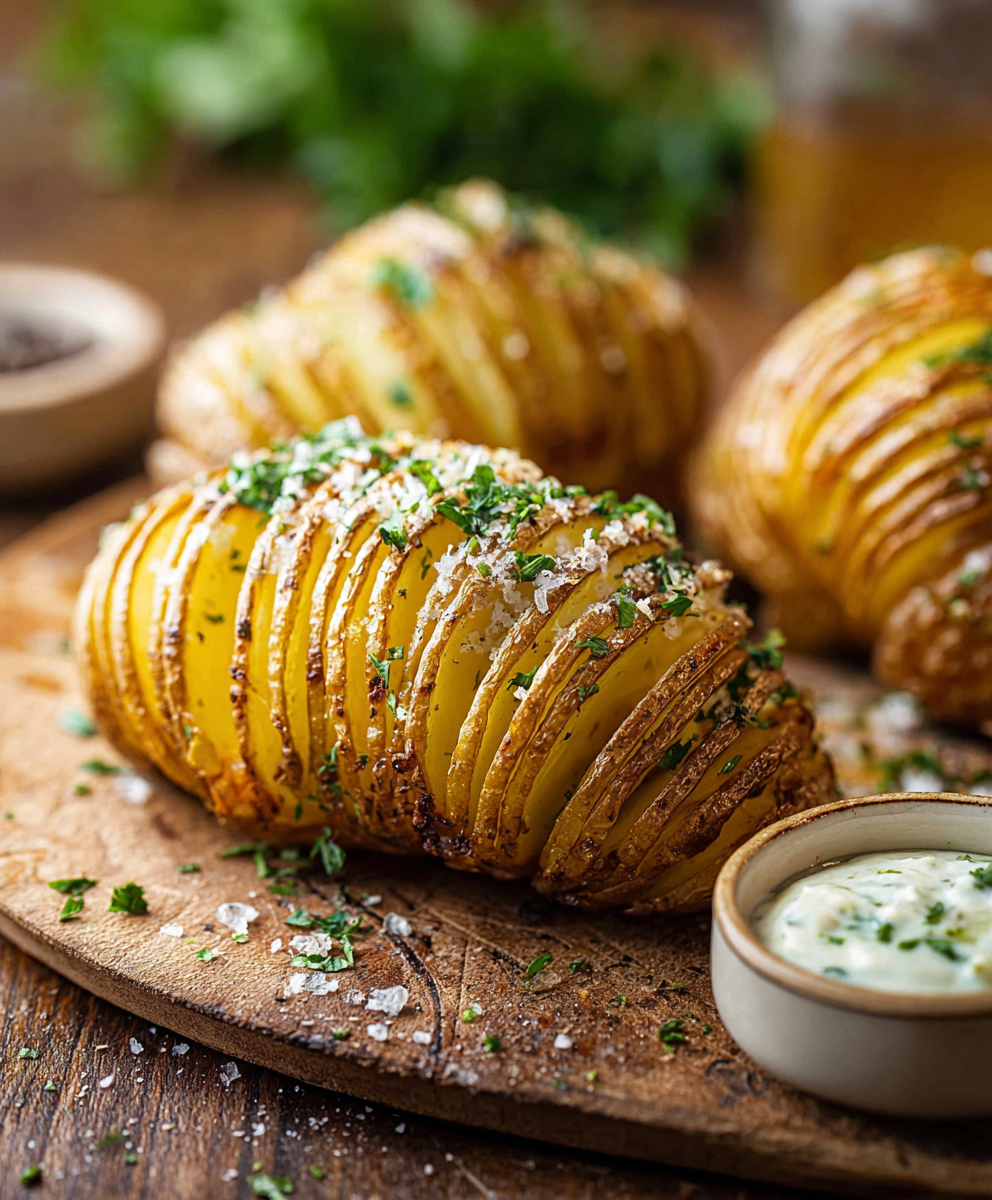
Thinly sliced, butter-brushed russet potatoes baked until the edges crisp and the insides stay tender — a simple side that feels special.
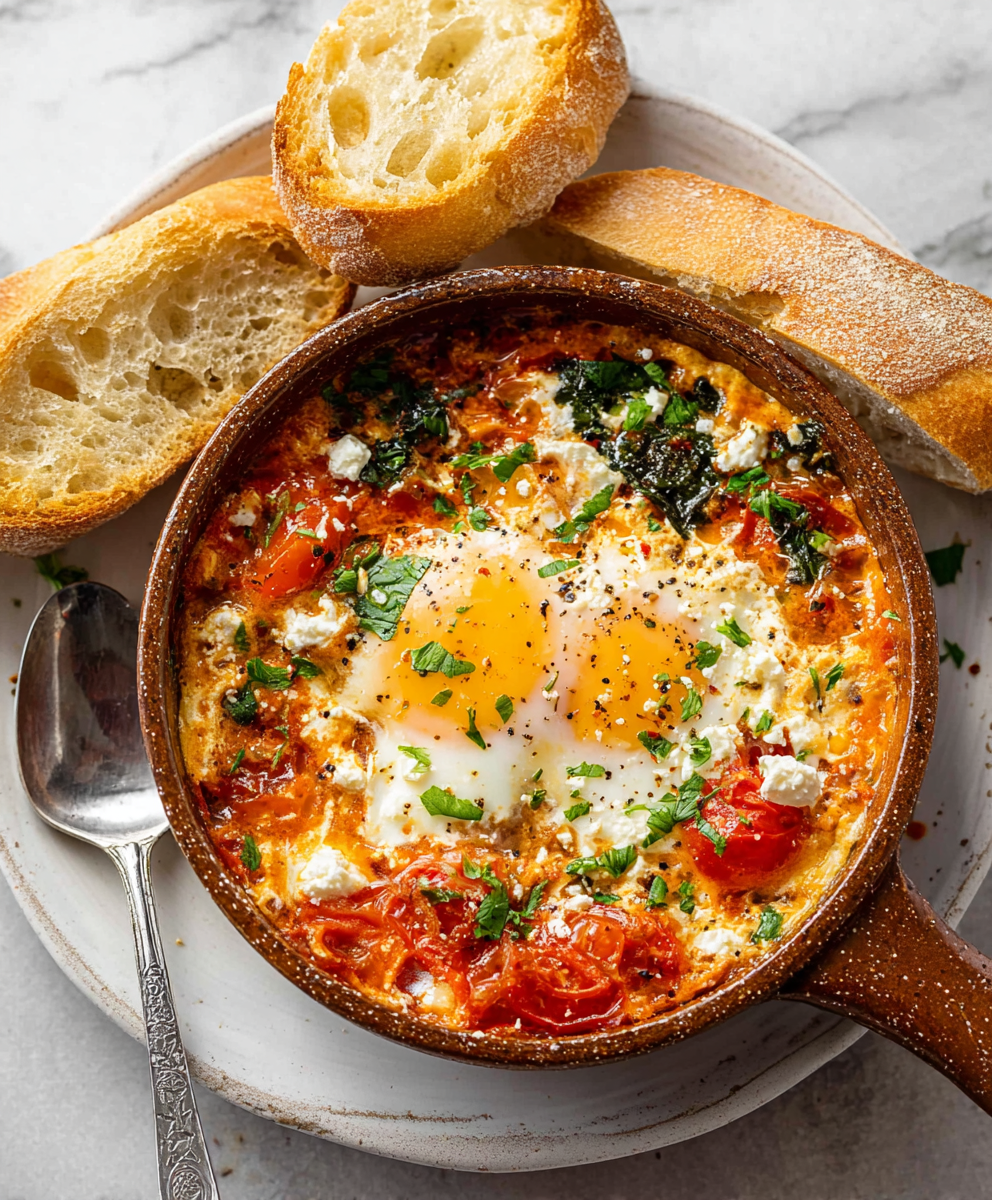
A bright Mediterranean-inspired skillet of blistered tomatoes, roasted feta, tender spinach and baked eggs — perfect for breakfast, brunch or a light dinner.
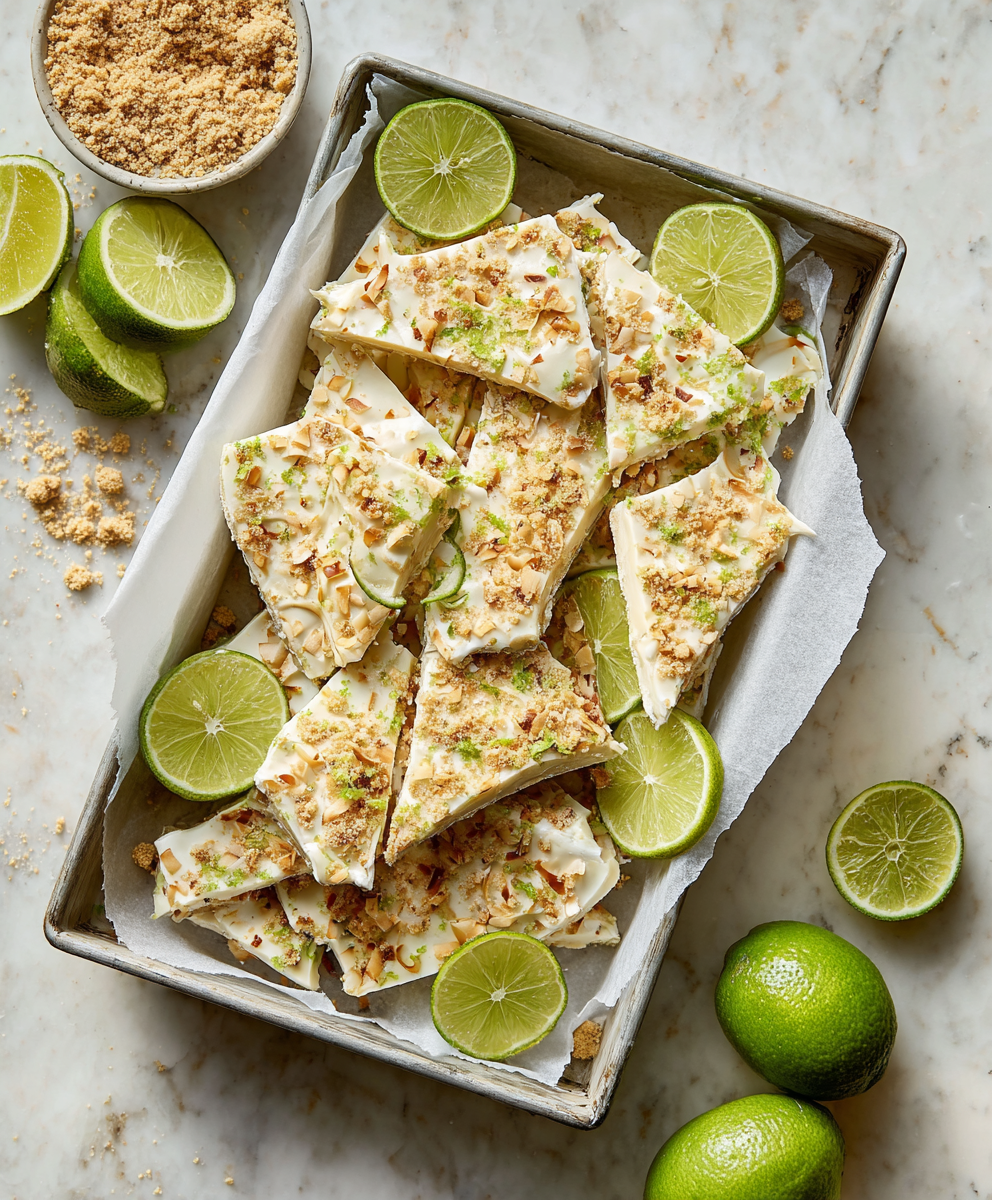
A bright, creamy frozen treat that tastes like key lime pie — made with Greek yogurt, zesty lime, crunchy gluten-free graham crumbs and toasted coconut for a refreshing, protein-packed snack.
Leave a comment & rating below or tag @magicmealideas on social media!
Enjoyed this recipe? Share it with friends and family, and don't forget to leave a review!
This recipe looks amazing! Can't wait to try it.
Comments are stored locally in your browser. Server comments are displayed alongside your local comments.

Join to receive our email series which contains a round-up of some of our quick and easy family favorite recipes.